

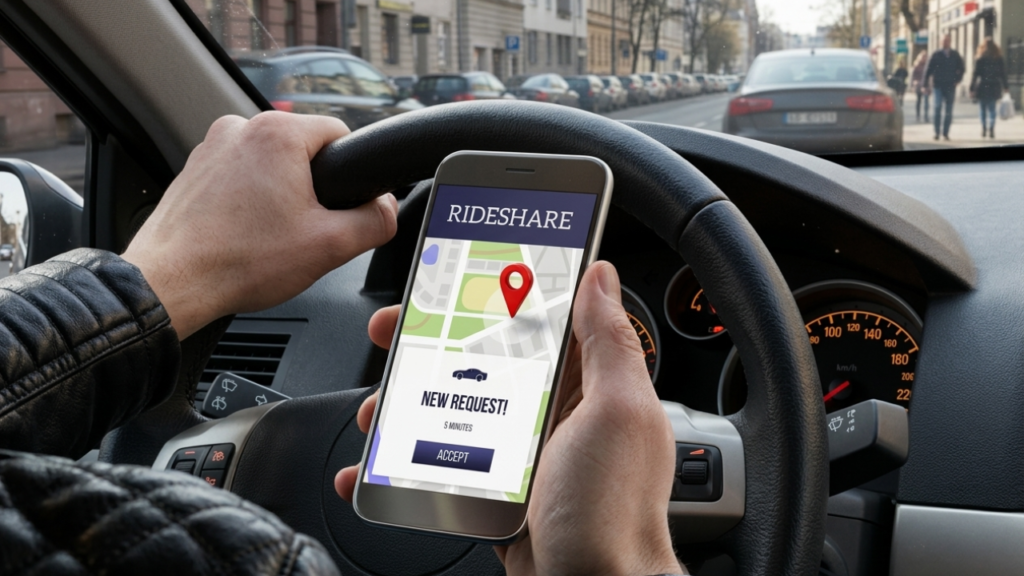
Your tax situation is not some “monster” to be managed. Here we show, how Monsta Tax & Accounting assists Kiwi drivers with the myriad unique financial obligations in the ride-share and taxi industry.
Key Takeaways for Drivers:
Small Business Status: Uber drivers and taxi drivers are classified as small businesses by IRD, so you will need to calculate your own earnings.
GST Mastery: We (i) clear your GST obligations, (ii) get you registered for GST, and (iii) sit with our tax experts to file your GST returns so that you are not paying more than the stipulated dues/filings.
Claim Using a Logbook: Find out how to separate personal use from business use so you can claim the right deductions, including fuel, maintenance, insurance, and ride-share commission.
Professional Accuracy: Do not Live in the Web World of Imaginations. Specialist income tax filing services specifically for the NZ market with 100% compliance based on the latest IRD rulings.
Avoid last-minute rushes and unexpected tax bills: We are always worried about the March 31 cutoff, and handle the heavy documentation early.
Whether you drive full-time or work part-time as a contractor, we prepare MA paperwork so you only have to worry about the road. Call Monsta Tax & Accounting now for professional advice and a stress-free tax season.
Navigating Your Tax Return for Rideshare: The Ultimate Guide for Kiwi Drivers
The new workforce world has changed completely. Across New Zealand, from Auckland’s busy streets to Queenstown’s picturesque drives, drivers like you enjoy new freedoms on four wheels. You are a driver and an entrepreneur. The ride-share economy gives you freedom, but it also creates complex financial obligations. If you drive for Uber or a local cab, manage your accounts carefully for long-term business success.
If you delay preparing and filing your rideshare tax return, you risk penalties and could jeopardize your financial health. At Monsta Tax & Accounting, we help taxi and rideshare drivers stay ahead of tax deadlines, so you don’t get caught off guard by an unexpected tax bill.
Understanding Your Tax Obligations in the Ride – Share Economy
When you register for the sharing economy and share your car and time, IRD treats you as a small business owner. Your taxes differ from those of regular salary workers. You must determine your own taxable income and report it accurately and on time. Most new Uber drivers overlook that the law considers them private taxi business owners.
The Basics of Income Tax for Drivers
You earn gross income from your ride-share platform. You pay tax only on your taxable income—your earnings minus legitimate business expenses. Calculate this accurately to avoid a massive tax bill and instead secure a healthy refund.
What Makes a Rideshare Tax Return Unique
A rideshare tax return is not routine. Failing to track logs, mileage, and business usage can lead to costly mistakes. If you do not distinctly separate your Uber hours from personal use, you risk losing deductions and facing IRD complications.
The Oddities of GST: Goods and Services Tax (GST) for Drivers
Navigating GST in New Zealand’s ride-share industry demands immediate attention. If you overlook GST obligations, you risk costly errors and legal trouble. Don’t delay reviewing whether GST registration applies to you and what rules affect your business.
Are You GST Registered?
GST registration can be a strategic option depending on your turnover, but more often than not, it becomes mandatory. How GST Registrations Help You: If you are GST registered, you can claim back the GST incurred on your business expenses, including fuel and car maintenance. This, however, also means you need to submit periodic GST returns. An Uber driver is like a taxi operator who must keep their filings up to date to avoid paying interest.
Navigating GST Registration
Meet with a tax accountant to handle GST registration if you have not yet done so. We guide you on whether you need GST registration and show how it will affect your final tax amount!
Managing Your GST Returns
You must track GST for every ride and expense now, not later. Any lapse could result in penalties that erode your profits. Prompt documentation is essential—delay could be expensive.
Maximizing Your Business Expenses to Reduce Your Taxes
Claim allowable expenses to achieve a successful return. IRD requests you separate business and personal use, especially since your vehicle serves both. If you drive for Uber or run your own taxi firm, closely monitor your overheads.
Common Deductions for Rideshare & Delivery Services
Whether you do passenger transport or partner with food delivery services, there are some deductible business expenses for your business:
- Essential Purchase: Fuel and Power – A ride needs diesels.
- Vehicle Maintenance: How does it figure out what tire to use, or when to do an oil change or repairs?
- Insurance & Registration: Getting the professional costs of your car on the best road reformation.
- Communication: A portion of your mobile phone plan used to run the share app.
The Importance of a Logbook
Act immediately: keep a logbook for at least 90 days every three years. Failure to do this could result in IRD disallowing deductions, raising your tax bill. Don’t let missing records undermine your claim.
Why You Need a Specialized Tax Accountant
You might think a standard online tax calculator is enough, but these tools don’t capture New Zealand rideshare nuances. There are differences between Uber and traditional taxi driver expenses, and our team understands these.
Accuracy in Your Income and Expenses
Monsta Tax & Accounting’s professional tax accountant goes beyond numbers in a spreadsheet. We review income and expenses to identify undetected “arcane deductions.” For example, you can claim most commissions paid to the ride-share platform.
Being Prepared for Tax Obligations
Income tax and GST liabilities change often. By working with us at UberTax, you make your rideshare tax return compliant with the latest IRD rulings. We take the “monster” out of the paperwork so you stay on the road.
The March 31 Deadline: Preparing for Your Tax Return
March 31 marks a critical deadline. If you wait, you risk scrambling to meet requirements and missing key tax savings. Every share driver must act now to ensure all business activity is properly counted.
Gathering Your Documentation
To prepare for your tax return, you should have the following ready:
- Annual summaries from your ride-share apps.
- A complete record of all business expenses.
- Your vehicle logbook.
- Record of all GST returns already filed during the year.
Avoiding the Last-Minute Rush
Do not wait until the last minute to address your tax obligations. Early preparation lets you anticipate tax amounts, adjust your finances, and avoid stress. A tax accountant can guide you well before the deadline hits.
Monsta Tax & Accounting Save Rideshare Drivers
Monsta Tax & Accounting knows your rideshare business puts food on the table. We are your one-stop shop for Kiwi drivers seeking maximum refunds with minimal stress.
Simplified GST Management
We manage your GST registration and file your GST returns accurately and on time. We maximize your GST registration by locating every cent of GST you can claim back on your vehicle and equipment.
Expert Income Tax Filing
Do not worry about your income tax. We account for all your delivery service and ride-share earnings when calculating your taxable income. We ensure your final return reflects your effort.
Frequently Asked Questions for Ride-Share Entrepreneurs
Do I really need to file a tax return for rideshare?
Yes. You must file an IR3 return if you earn income not paid through PAYE. Even if you drive for Uber occasionally, your tax responsibilities remain.
What happens if I can’t pay my tax bill?
If your taxable income surprises you with a large tax bill, do not panic. File a proper return first. Then, we engage with IRD on your behalf to set up payment plans.
Am I able to claim for my car wash and cleaning?
Absolutely. Providing a quality ride includes keeping your car clean. Car wash and cleaning expenses remain deductible on your tax return.
Conclusion: Get in control of your financial destiny
Uber enables New Zealanders to earn, grow, and shine in the ride-share economy. You must run your business’s back office as effectively as you drive. Whether you provide taxi services as an Uber driver or a private contractor, follow sound accounting principles.
Keep your tax return from becoming a horror story. Monsta Tax & Accounting helps you make decisions about GST registration, file your GST returns, and meet your income tax obligations. We are experts in rideshare and delivery services taxation in NZ.
We handle your tax and GST obligations while managing the paperwork, so you focus on providing safe rides to your community.
Call Monsta Tax & Accounting today. Speak with our team for tailored rideshare tax advice and start your tax return now. Drive confidently knowing your financial obligations are professionally handled.